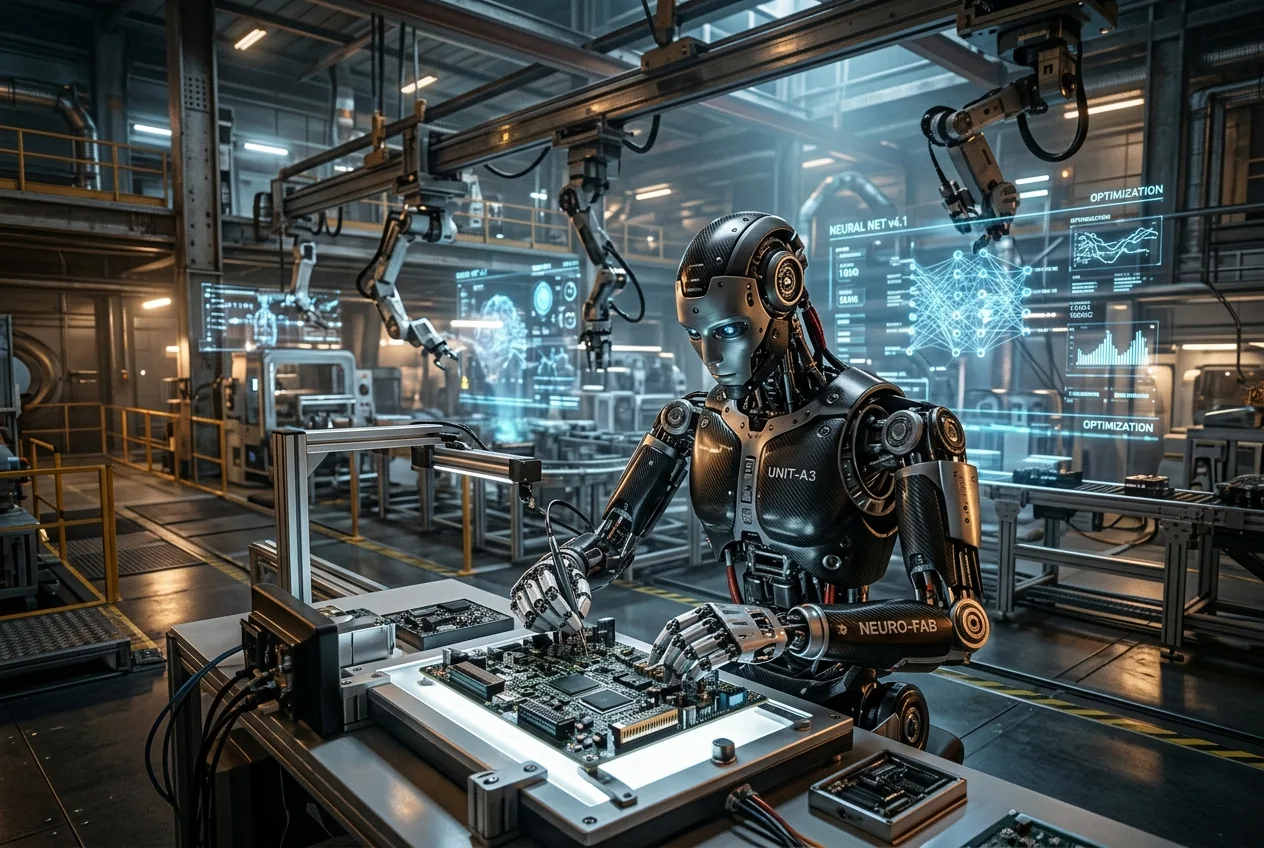
Il panorama dell'intelligenza artificiale non è più confinato all'etere digitale di chatbot e generatori di immagini. Rapporti recenti, in particolare quello del The Times, suggeriscono che OpenAI stia gettando le basi per una quotazione pubblica che potrebbe valutare l'azienda alla cifra sbalorditiva di 1.000 miliardi di dollari. Questa svolta arriva mentre l'azienda di San Francisco si lascia alle spalle le ombre legali scaturite dalle dispute sulla sua fondazione, tra cui spicca la causa di alto profilo intentata da Elon Musk, recentemente archiviata. Per il settore industriale, non si tratta solo di un traguardo finanziario; rappresenta un perno fondamentale nel modo in cui l'intelligenza artificiale verrà implementata lungo la catena di approvvigionamento globale e nei reparti produttivi.
L'architettura economica di un'IA da mille miliardi di dollari
Raggiungere una valutazione di 1.000 miliardi di dollari richiede molto più di una semplice sintesi testuale di alta qualità. Richiede un livello di utilità industriale che OpenAI sta attualmente cercando di costruire a ritmi serrati. Per giustificare una tale valutazione, l'azienda deve passare dall'essere un fornitore di strumenti creativi a diventare il sistema operativo del mondo fisico. Questa transizione si basa su tre pilastri tecnici: infrastrutture di calcolo su scala massiccia, la maturazione di modelli basati sul ragionamento e il rientro nel campo della robotica. La matematica finanziaria di una quotazione da 1.000 miliardi di dollari si basa sul fatto che OpenAI diventi il livello architettonico primario per i sistemi autonomi in ogni settore dell'economia globale.
Storicamente, la struttura aziendale di OpenAI era un'anomalia: un consiglio di amministrazione no-profit che supervisionava una sussidiaria a profitto limitato. Questo assetto, forse adatto alla ricerca, rappresentava un significativo punto di attrito per un'offerta pubblica tradizionale. I movimenti segnalati verso una struttura di profitto più convenzionale sono una risposta pragматиca alla natura ad alta intensità di capitale dell'IA di prossima generazione. Addestrare un modello come GPT-5 o il chiacchierato Project Strawberry richiede investimenti di capitale che rivaleggiano con il PIL di nazioni di medie dimensioni. Superando gli ostacoli legali e snellendo la propria governance aziendale, OpenAI sta segnalando agli investitori istituzionali di essere pronta a operare con la disciplina e la scala di un gigante dell'hardware come NVIDIA o di un titano del software come Microsoft.
Perché la robotica è centrale nella strategia di quotazione
Per coloro che seguono le dinamiche dell'automazione, l'indicatore più significativo dell'ambizione da 1.000 miliardi di dollari di OpenAI è la silenziosa ricostituzione del suo team di robotica. Anni fa, OpenAI abbandonò i propri sforzi interni nel settore robotico per concentrarsi sui modelli linguistici di grandi dimensioni (LLM), citando una mancanza di dati di alta qualità. Tuttavia, il successo di GPT-4 e dei modelli successivi ha fornito il tassello mancante: un motore cognitivo capace di comprendere ambienti complessi e non predefiniti. OpenAI non si accontenta più di tenere l'IA in una "scatola"; ora sta investendo massicciamente nell'interfaccia hardware.
La sfida tecnica qui è la traduzione del ragionamento digitale in controllo motorio di "basso livello". La robotica tradizionale si basa su routine codificate; l'approccio di OpenAI utilizza reti neurali end-to-end che apprendono la fisica attraverso la simulazione e l'osservazione nel mondo reale. Questo passaggio dalla programmazione deterministica all'apprendimento probabilistico è ciò che consentirà a un'entità da 1.000 miliardi di dollari di dominare il settore industriale. La valutazione riflette la scommessa che OpenAI risolverà il problema della "generalizzazione" nella robotica, creando macchine in grado di eseguire qualsiasi compito umano senza dover essere riprogrammate per ogni nuovo componente sulla linea.
Il vincolo dell'hardware e il Progetto Stargate
Un aspetto spesso trascurato del percorso di OpenAI verso l'IPO è l'infrastruttura fisica necessaria per sostenere la sua crescita. Le notizie sul progetto "Stargate" — un'iniziativa da 100 miliardi di dollari per un supercomputer in collaborazione con Microsoft — evidenziano le massicce spese in conto capitale (CapEx) coinvolte. Come ingegnere meccanico, considero questi progetti non solo come successi software, ma come sfide ingegneristiche termiche ed elettriche monumentali. Un'azienda da 1.000 miliardi di dollari deve possedere o avere accesso esclusivo ai cluster di calcolo più efficienti del pianeta per mantenere il proprio fossato competitivo.
I modelli di ragionamento possono sostituire la logica umana nelle catene di approvvigionamento?
Una componente fondamentale della valutazione è "Project Strawberry", una nuova architettura di modello progettata per migliorare le capacità di ragionamento dell'IA. Gli LLM attuali sono essenzialmente sofisticati analizzatori di schemi: prevedono il token successivo basandosi sulla probabilità statistica. Sebbene efficace per scrivere e-mail, ciò è insufficiente per la complessa logica industriale, come l'ottimizzazione di una catena di approvvigionamento globale durante un'interruzione o la gestione degli stress multivariabili di una cella di produzione ad alta velocità.
Strawberry mira a introdurre quello che i ricercatori chiamano pensiero di "Sistema 2": un ragionamento deliberato e a più passaggi. Ciò consentirebbe all'IA di fermarsi e "riflettere" su un problema prima di rispondere, invece di generare semplicemente la sequenza di parole più probabile. Per il mondo industriale, questo significa un'IA in grado di risolvere un guasto meccanico deducendo la causa principale attraverso l'eliminazione logica, anziché limitarsi a recitare un manuale. Questo livello di utilità è ciò che cercano gli investitori istituzionali: un'IA che non si limiti ad assistere, ma che gestisca.
Navigare nel campo minato competitivo e normativo
Nonostante l'ottimismo che circonda una potenziale quotazione da 1.000 miliardi di dollari, rimangono ostacoli significativi. La risoluzione della causa di Musk è una vittoria, ma il contesto normativo nell'Unione Europea e negli Stati Uniti si sta inasprendo. Le questioni riguardanti il copyright dei dati, le barriere di sicurezza e l'impatto ambientale dei massicci data center rappresentano minacce costanti ai profitti. Inoltre, concorrenti come Anthropic e Google non restano a guardare. Le "guerre di calcolo" sono una corsa agli armamenti in cui il costo di ingresso sta crescendo in modo esponenziale.
Dal punto di vista industriale, il rischio maggiore è l'affidabilità di questi sistemi. Un'"allucinazione" in un chatbot è un fastidio minore; un'allucinazione in un robot industriale da cinque tonnellate è un evento catastrofico per la sicurezza. Il percorso di OpenAI verso mille miliardi di dollari dipende dalla sua capacità di dimostrare che le sue reti neurali siano abbastanza deterministiche per la fabbrica. Devono passare dall'IA "generativa" all'IA "verificabile". Questo probabilmente comporterà un approccio ibrido in cui le reti neurali gestiranno la pianificazione di alto livello, mentre i controller tradizionali, certificati per la sicurezza, gestiranno l'esecuzione motoria finale.
La prospettiva di una quotazione di OpenAI segna la fine della prima era dell'IA: l'era della novità e della sperimentazione. Stiamo entrando nell'era dell'industrializzazione. Una valutazione di 1.000 miliardi di dollari è la dichiarazione che l'intelligenza artificiale è la nuova elettricità, e OpenAI intende essere la rete principale. Per noi che operiamo nei campi della robotica e dell'ingegneria, l'attenzione ora si sposta da ciò che questi modelli possono dire a ciò che possono fare. Il vero test del valore di OpenAI non si troverà nel suo prezzo azionario, ma nella precisione delle mani robotiche che il suo software finirà per controllare.




Comments
No comments yet. Be the first!